
Personal Finance
PEA: the 5-year rule, explained with numbers
A PEA is free of income tax only after 5 years. Here is when the clock starts, what a withdrawal costs before and after the mark, and why social levies are still due.
Read the storyClear, unhurried writing on portfolios, ETFs, dividends and tax, from the team building Cadances, the portfolio tracker.
By the Cadances teamNew piece every two weeks
A PEA is free of income tax only after 5 years. Here is when the clock starts, what a withdrawal costs before and after the mark, and why social levies are still due.
Read the story
A SEP IRA and a SIMPLE IRA let self-employed people and small businesses save for retirement with a tax break and almost no paperwork. This guide explains how each one works, the 2026 limits, who pays in, and how they compare with a solo 401(k).

A 403(b) and a 457(b) are the workplace retirement plans of schools, non-profits and government employers. This guide explains how each one works, the 2026 limits, why some people can fill both in the same year, and the 457(b) rule that lets you take money out before 59½ with no penalty.

A taxable brokerage account has no tax break and no limits: you can put in any amount and take it out at any time. This guide explains how its dividends and gains are taxed in 2026, the foreign tax credit, tax-loss harvesting and the wash-sale rule, and when it beats a 401(k) or an IRA.

A Health Savings Account is the only US account that is tax-free on the way in, while it grows and on the way out. This guide explains who can open one, the 2026 limits, how to invest it, the rules for withdrawals and how an HSA becomes a retirement account after 65.
A traditional IRA can cut your tax bill today and lets your money grow untaxed until you take it out. This guide explains the 2026 limits, who can deduct, the rules for withdrawals and minimum distributions, rollovers from a 401(k), and how to choose between traditional and Roth.
A Roth IRA takes taxed money today and gives back tax-free growth later. This guide explains the 2026 limits, the income phase-out, the five-year rule, the backdoor Roth and how a Roth IRA fits next to your 401(k).

A 401(k) is where most American employees save for retirement, and where many leave money behind. How the account works in 2026, how to get the full employer match, and how the vesting schedule decides what you keep when you change jobs.
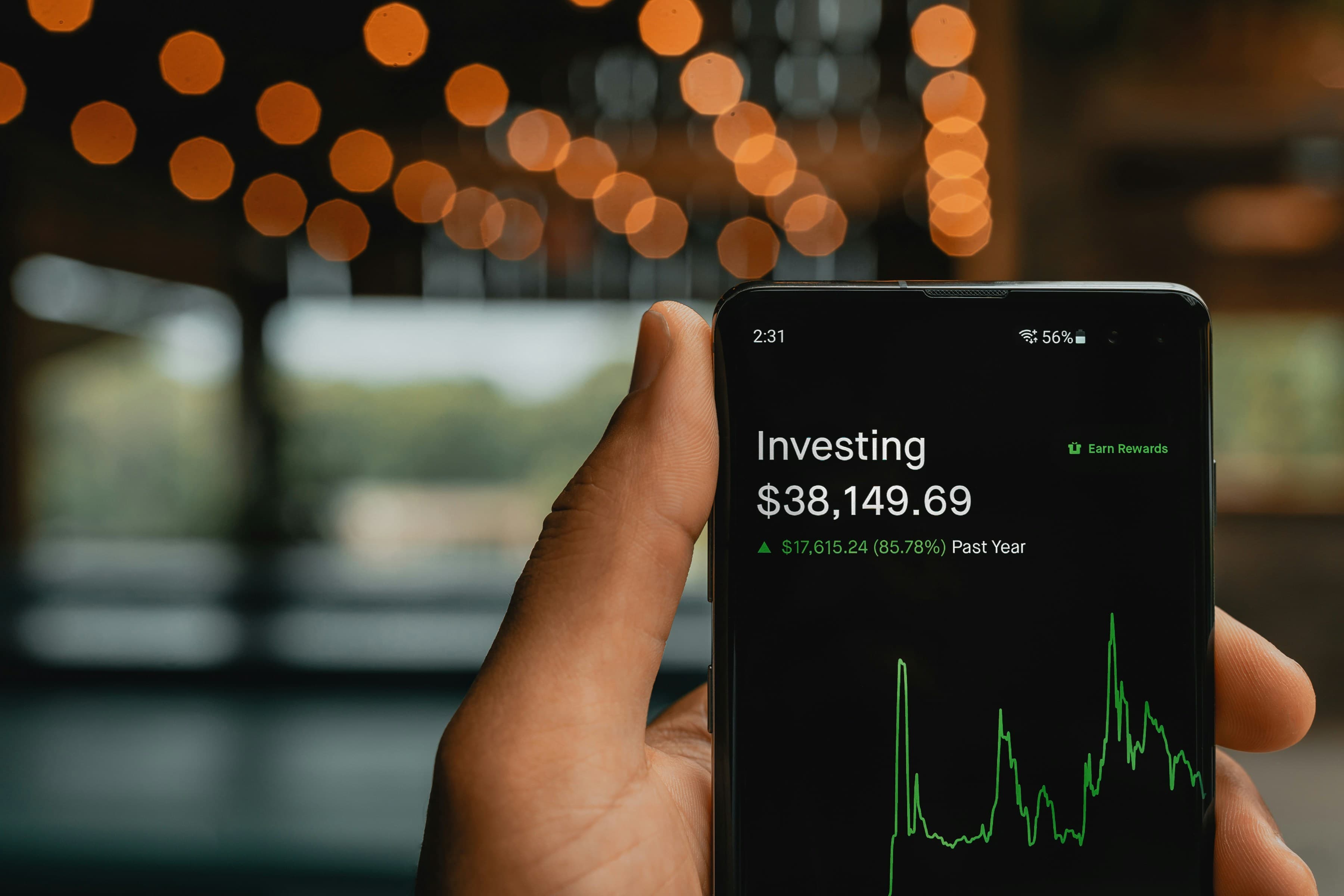
Reinvest while you are building the portfolio, take the cash once the income is what you live on, and use the years in between to reinvest only where you are underweight. Twenty years of numbers show why, and three signals tell you when to stop.

Dividend income arrives in small payments, across several accounts, in more than one currency, with tax taken before it lands. Here are the eight numbers worth tracking, the three ways to track them, and where each one breaks down as the portfolio grows.
Twenty to thirty dividend stocks across at least eight sectors, or fewer on top of a broad ETF core, is the rule of thumb. Here is the reasoning behind it, what one dividend cut costs at each portfolio size, why to weight by income rather than by value, and three shapes that work.

Most ETFs sold in Europe are domiciled in Ireland for one reason: the Ireland-US tax treaty halves the withholding on US dividends inside the fund, and Ireland takes nothing on the way out. On 100,000 in the S&P 500 that is 225 a year kept, and the gap compounds for as long as you hold.

In an income portfolio, drift shows up in your dividends before it shows up in your portfolio value. Here is how to spot it with a worked example, the three triggers that tell you when to act, and the four ways to rebalance, from the one that costs nothing to the one that costs capital gains tax.

Most US-listed equity ETFs pay dividends quarterly, many European UCITS ETFs pay twice a year or once a year, bond and covered-call ETFs usually pay monthly, and accumulating ETFs never pay at all. Here is why the schedule works that way, why the amount changes every time, and how to read a fund's distribution calendar.

The Dividend Aristocrats label proves that a company has raised its dividend through at least two recessions, and nothing else. It says nothing about today's price, the payout ratio, or the size of the raises. Use the list to shorten your search, then run the safety checks and wait for the yield.

High yield pays the most for the first decade, dividend growth pays the most after it, and a balanced payer sits between the two. Here is the ten-year arithmetic across three profiles, the risk each one carries, and a rule for choosing by when you need the income.

Dividends fall in a recession, but far less than share prices, and the damage is concentrated in a few sectors. Here is what 2008 and 2020 did to dividend income in the United States, the United Kingdom and Europe, which sectors cut, how long recovery took, and how to build a portfolio that keeps paying.

Dividend withholding tax is the slice a company's home country keeps before a foreign dividend reaches you. Here is how the statutory and treaty rates work, what the W-8BEN does, the rates for the countries you are most likely to hold, and the two routes to recover the money: a credit at home and a reclaim at source.

A worked model portfolio of 100,000 split across ten sleeves, with the weight, yield and income of each, the share of income that two sectors quietly carry, what the calendar and the tax bill look like, and what the income becomes after ten years of growth and reinvestment.

The accumulating and distributing classes of the same index fund own the same stocks and earn the same return before tax. The difference is what happens to the dividends, and what your country does about it. Here is how each class works, where tax splits them, and a 20-year example with numbers.
One short email every other week: a new piece from the Journal and one number worth knowing. No noise, no selling.